BUILT ON HISTORY,
DRIVEN BY
COMMUNITY
Lincoln Heights is one of the oldest and most historically significant neighborhoods in Los Angeles — widely recognized as the city's first suburb.
A NEIGHBORHOOD LIKE NO OTHER
"Diversity, resilience, and constant evolution."
Located just four miles northeast of Downtown Los Angeles, Lincoln Heights reflects a defining characteristic of the city itself — a community where cultures converge, industries rise, and generations of residents shape shared identity.
1781
Founding of Los Angeles
1873
Planned as First Suburb
1917
Named Lincoln Heights
4 mi
From Downtown Los Angeles
HISTORICAL FOUNDATIONS
Long before the establishment of Los Angeles, the area now known as Lincoln Heights was home to the Tongva people and other native communities. Their connection to the land established a foundation rooted in culture, identity, and continuity.
Following Spanish settlement in 1769 and the founding of Los Angeles in 1781, the area transitioned through Mexican governance and became part of the United States in 1848. By 1873, under the direction of Dr. John Strother Griffin, the land was transformed into a planned residential community serving working- and middle-class residents employed in nearby industries along the Los Angeles River.
Originally known as East Los Angeles, the neighborhood formally became Lincoln Heights in 1917, reflecting both its growth and a developing sense of identity.
1769
Spanish Settlement
1848
Joined United States
1873
First Suburb Planned
1917
Lincoln Heights Named
A NEIGHBORHOOD DEFINED BY DIVERSITY
Lincoln Heights has always reflected the broader story of Los Angeles: a place where cultures converge and communities take root. Early residents of English and Irish descent were joined by German, Italian, and French immigrants, followed by Mexican families whose influence continues to define the cultural fabric of the neighborhood today.
This layered history is visible not only in its people, but in its built environment. From grand Victorian-era homes to modest clapboard residences, industrial warehouses, historic commercial corridors, and even small-scale urban agriculture, Lincoln Heights presents a living cross-section of Los Angeles itself.
San Antonio Winery
Institutions such as San Antonio Winery remain active reminders of this legacy — bridging past and present through continued economic and cultural contribution to the Lincoln Heights community.
"A living cross-section of Los Angeles itself — from Victorian-era homes to emerging entrepreneurs, all on the same block."
INDUSTRY, INNOVATION & IDENTITY
Over time, Lincoln Heights evolved beyond a residential suburb into a center of industry, healthcare, and early innovation — an integral part of the city's development.
1878
LA County General Hospital
The opening of Los Angeles County General Hospital positioned Lincoln Heights as a critical center of healthcare for the entire region.
INFRASTRUCTURE
Rail Expansion
The expansion of rail infrastructure connected Lincoln Heights to the broader city, fueling economic growth and drawing new industries and residents.
PUBLIC SPACE
Lincoln Park
Public spaces such as Lincoln Park have long served as community anchors — places where generations of residents gather, connect, and shape shared identity.
1968
East Los Angeles Walkouts
Students from local schools played a central role in the East Los Angeles Walkouts, advocating for educational equity and systemic change — a moment that reflected a broader tradition of community advocacy and collective action.
CIVIC ENGAGEMENT & COMMUNITY STRENGTH
Lincoln Heights is recognized for its legacy of civic participation. The 1968 walkouts were not an isolated moment — they reflect a broader tradition of community advocacy, resilience, and collective action that continues to shape the neighborhood's direction today.
This spirit of engagement is woven into the fabric of the neighborhood, carried forward through organizations, community events, and the everyday choices of residents who remain invested in Lincoln Heights' future.
A LIVING, EVOLVING NEIGHBORHOOD
Lincoln Heights stands as a quintessential Los Angeles neighborhood — diverse, dynamic, and constantly redefining itself. Its character is not defined by a single identity, but by the coexistence of many.
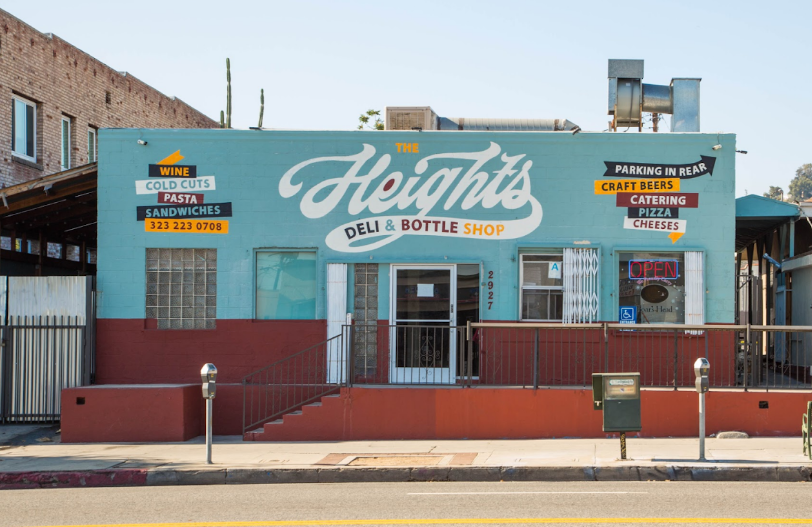
Historic homes alongside adaptive reuse industrial spaces
Long-standing family-owned businesses next to emerging entrepreneurs
Cultural traditions preserved while new ideas and energy take root
A critical connector to Downtown LA, Chinatown, Highland Park, and the LA River
RECENT MOMENTUM
Growth of small businesses and creative enterprises along North Broadway
Investment in public spaces, parks, and environmental improvements tied to river revitalization
Increased community programming, markets, and cultural events that activate the public realm
THE ROLE OF LHBALA & THE BID
The Lincoln Heights Benefit Association of Los Angeles (LHBALA), through the Business Improvement District, plays a central role in supporting Lincoln Heights' continued transformation.
These efforts ensure that as Lincoln Heights evolves, it does so in a way that is inclusive, intentional, and grounded in its history.
OUR SERVICESEnhance the Public Realm
Through maintenance, beautification, and safety initiatives that keep the district clean and welcoming seven days a week.
Support & Grow Local Business
Advocating for district businesses at City Hall, planning commissions, and regulatory bodies — a collective voice for the corridor.
Strengthen District Identity
Through events, programming, and the Lincoln Heights Certified Farmers Market — activating the public realm every week.
Foster Community Engagement
Reflecting the voices and needs of residents and stakeholders in every decision that shapes the neighborhood's future.
LOOKING FORWARD
Lincoln Heights represents both the history and the future of Los Angeles — a neighborhood where legacy and opportunity exist side by side, where historic character is preserved while new investment and energy continue to emerge.
Preserve cultural and historic assets
Strengthen small business ecosystems
Improve public infrastructure and shared spaces
Support equitable and community-driven development
"In every phase of its history, Lincoln Heights has adapted, evolved, and moved forward. Today is no different — it remains a community defined not only by where it has been, but by where it is going."